Solomon's Key - one of my fav NES classics
You thought Dark souls are hard?

Solomon's Key: A Classic NES Gem

Release Date and Platform
Solomon's Key was originally released as an arcade game in 1986 by Tecmo. It was subsequently ported to various platforms, including the Nintendo Entertainment System (NES), where it was released in July 1987.

Game Story
In Solomon's Key, you play as Dana, a wizard on a quest to retrieve the titular key to restore light to the world by banishing the demons that were accidentally released. The story is a mix of elements from the Bible, Taoism, and classic fantasy lore, featuring monster such as dragons, giants and strange heads (later skeleton heads).

Mechanics and Complexity
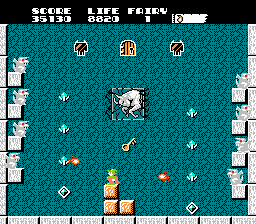
Solomon's Key combines platforming and puzzle mechanics. Players must navigate through 50 rooms, creating and destroying blocks. Dana can cast fireballs to eliminate enemies, and creating or breaking certain blocks reveals hidden items. The game is known for its high complexity, including enemy spawning, intricate level designs, and a strict countdown timer. The player’s progress is evaluated with a Game Deviation Value (GDV) score. Music is simple but somehow goes well in the game with melodic sound, giving special vibe to the dungeon stages we pass. There are not many people who passed whole game due to its difficulty. Myself i managed to finish it but only recently, not as a kid. Last stages under the zodiac sign of Pisces are absolutely insane. Game push you to the limit by mixing timer, platformer precision to execute moves and logic thinking , planning which blocks destroy and which create meanwhile avoiding and making few steps forward in thinking about your enemies. For example trapping them or even destroy them. Game is considered puzzle platformer, but for me its like ancient NES version of Dark Souls, which dont have complex puzzle element. There are no bosses, but every enemy is simply deadly to Dana, like dragons, giants, ghosts or other creatures waiting to kill you. What is cool also is when monster see you its charging or reacting to character which was new in very old games.
Stages and Endings
The NES version features 64 levels, with 15 secret and one final level called Solomon's Room. Each level corresponds to the 12 zodiac signs. The game's ending varies based on a player's actions, particularly whether secret levels were completed and if specific hidden items were found.

Main Character
The main character, Dana, is a wizard tasked with finding Solomon's Key to banish demons and bring back light to the world. Equipped with his magic wand, Dana can create and destroy blocks, and cast fireballs to defeat enemies. He also rescues fairies which are hidden via finding special items to make the visible.

Sales and Impact
Solomon's Key sold 300,000 copies in Japan alone. The game's unique blend of puzzle and platforming elements set it apart and contributed to the growing puzzle-platformer genre. Its challenging gameplay continues to earn praise for its complexity and rewarding mechanics. Mixing puzzle, platformer and even strategic gameplay into one.
By incorporating intricate level design and strategic gameplay, Solomon's Key left a lasting impact on the genre and remains a beloved classic among NES enthusiasts.


Comments
Post a Comment